Have you ever noticed that on some days you see more clearly than others? Some days, the air is clear, fresh, and clean. But on other days, the air is polluted. It feels heavy, looks hazy and may smell.
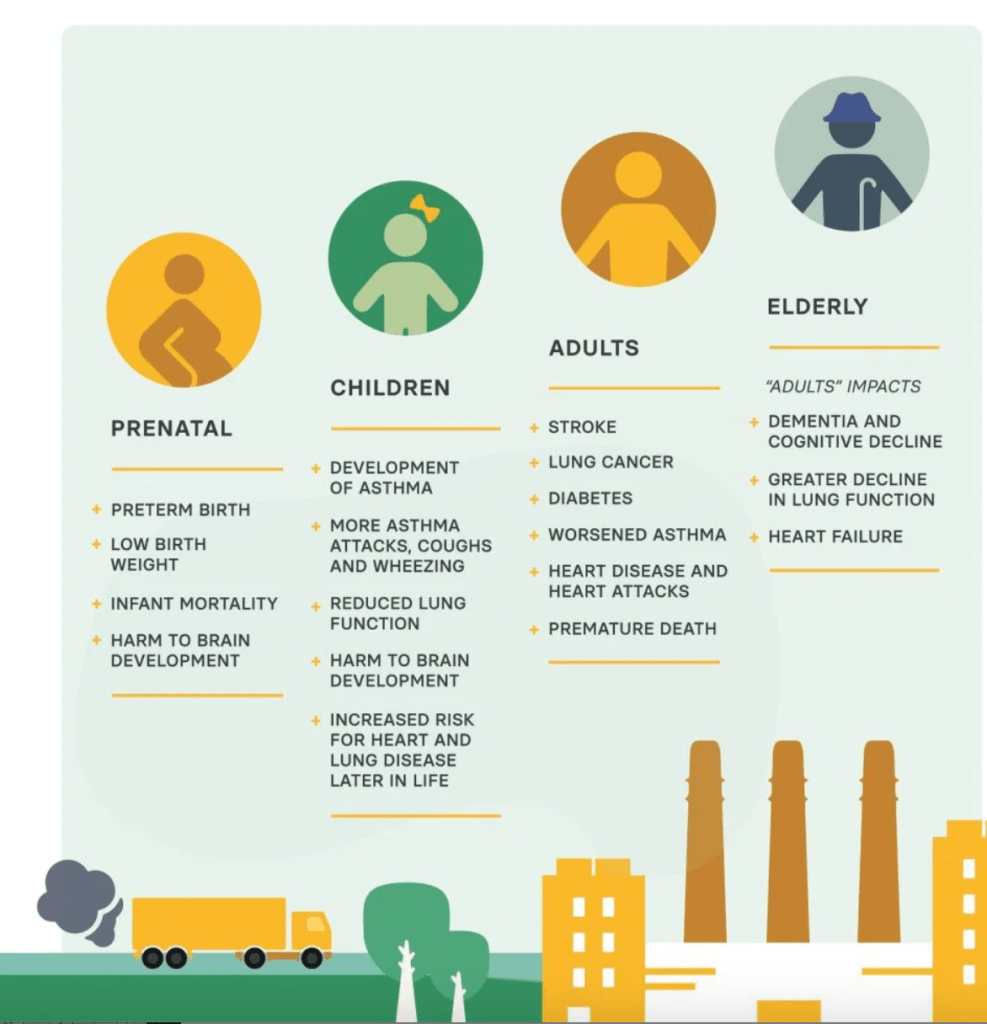
Some pollution particles are so tiny that we can’t even see them. But when we breathe them in, they move from our lungs to our blood, and can harm our bodies.
Studies show that air pollution is the second leading risk factor for death in Africa, causing about 1 million deaths a year. About 1 in 6 deaths of children under five are linked to air pollution.
Air pollution affects all parts of our bodies, and contributes to heart disease, stroke, and cancer. While air pollution is dangerous for everyone, it is especially harmful to children, the elderly, and those with health conditions.
What causes the air to become polluted?
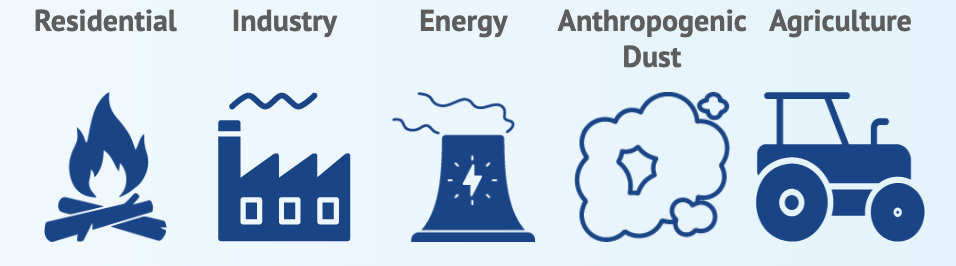
The main causes of air pollution differ from place to place. In Africa, indoor air pollution is often caused by cooking with charcoal or wood inside or near the home.
Outdoor air pollution is caused by burning trash, exhaust fumes from vehicles, dust, and factories.
How do we know if the air is polluted?
We can measure how much pollution is in the air using sensors. Just like a thermometer tells us when we have a fever, these sensors tell us when pollution levels are unhealthy. The sensor reports pollution levels as the number of particles in the air or as an air quality index, AQI.

The AQI tells us how much pollution is in the air. Green means that air pollution is low and the air is good to breathe; red and purple mean the air is unhealthy to breathe. On some days, pollution in Kampala can be as bad or worse as the world’s most polluted cities.
Several organizations in Africa work to measure air pollution, including AirQo, based out of Makerere University.
What can I do?
Both governments and citizens have a role to play in reducing pollution.
Governments can enforce regulations on vehicles and factories to reduce pollution, and set up garbage collection services. Policies and public investments that reduce air pollution may significantly reduce the future costs of poor air quality.
You can play a role by not burning trash and by telling your local leaders that this is an issue that matters to you (list of phone numbers of Members of Parliament here).
If you drive a car, try to turn off the engine if you are stuck in traffic for long periods of time.
If you use a charcoal or wood cookstove, it is better to place it outside during use, and to keep children away from the smoke.
You can monitor air pollution in your area using information from Airqo’s website and Smartphone app. If you would like to receive SMS notifications about your local air quality, you can message this number: +256785031930
High quality masks provide some protection from air pollution, and you should avoid exercising outdoors if pollution levels are high in your neighborhood.
 Air Quality Africa